Presented here underneath you will discover a bunch of first-rate information regarding DIY vs. Professional Plumbing Repairs: When to Call a Pro.
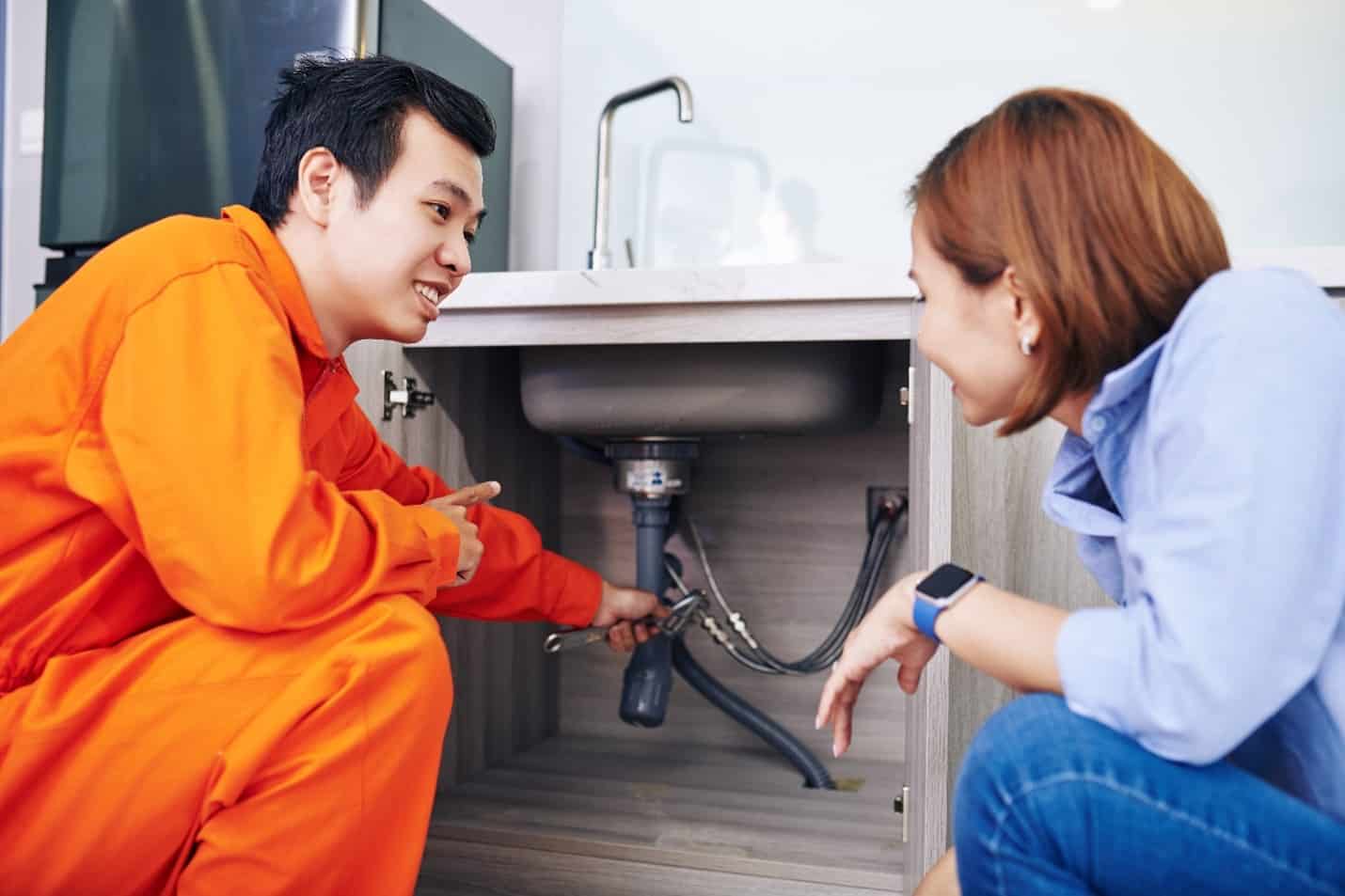
Intro
Pipes issues can range from small hassles to major migraines, usually triggering home owners to choose between tackling the trouble themselves or calling in a specialist plumbing technician. Recognizing when to DIY and when to seek professional assistance can save time, cash, and protect against potential disasters. This article checks out the elements to consider when making this essential decision.
Benefits of DIY Pipes
Tackling plumbing tasks yourself can be satisfying in a number of ways, especially for less complex tasks.
Intricacy of Tasks
Some pipes issues need specific expertise and tools past common home owner capabilities. Messing up complicated problems can bring about additional damage and pricey repair services.
Security Issues
Collaborating with plumbing systems entails risks such as direct exposure to water damage, capacity for electrical risks, and dealing with tools incorrectly. Safety and security safety measures should be observed to prevent crashes and ensure efficient fixings.
Indicators to Call an Expert Plumbing
Identifying when a plumbing concern surpasses do it yourself abilities is vital to stop aggravating problems.
Signs of Facility Problems
Instances include:
Motivate specialist treatment is essential to resolve these problems successfully and reduce damage.
Do It Yourself Pipes Tips
For effective DIY pipes, it's essential to be prepared with the right tools and comply with proper procedures.
Basic Tools and Materials
Trick tools for do it yourself plumbing:
Step-by-Step Guides
Clear directions make sure safe and effective do it yourself repair work:
Picking the Correct Time to DIY
Figuring out when to take on plumbing jobs yourself needs analyzing both the intricacy of the issue and individual convenience levels.
Assessment Checklist
Consider:
Expense Cost savings
DIY pipes tasks commonly save cash by staying clear of expert service fees. Jobs like dealing with minor leaks, changing faucets, or installing new showerheads are instances where property owners can handle repairs without working with a plumber.
Skill Improvement
Participating in DIY pipes uses a chance to discover and boost practical abilities. Standard tasks encourage homeowners to recognize their plumbing systems better and obtain confidence in taking care of small repair services individually.
Risks of DIY Plumbing
While DIY jobs supply advantages, particular risks should be thoroughly considered before attempting repair work.
When to Absolutely Call an Expert
Certain situations require prompt experienced interest to prevent considerable damages or security hazards.
Emergency situation Situations
Instances consist of:
Searching for and Employing an Expert Plumbing Technician
Selecting a certified plumbing technician makes sure trustworthy solution and satisfaction in settling plumbing concerns.
Requirements for Selection
Aspects to consider:
Cost Evaluation: do it yourself vs. Professional Solutions
Contrasting the monetary implications of do it yourself initiatives versus expert pipes services helps in making notified choices.
Financial Considerations
Examine:
Conclusion
Choosing whether to do it yourself or call an expert plumber hinges on recognizing the complexity of pipes concerns and personal abilities. By weighing the benefits and risks, property owners can make informed options that advertise efficient maintenance and guard their homes from plumbing disasters.
When to DIY and When to Call a Professional Plumber
Of course, you want to do all your home repairs yourself. Who doesn't? There are so many benefits to doing things on your own, including the sense of accomplishment you feel when a project is complete and the fact that you get to learn a new skill. Saving money is another huge benefit, too.
However, even the handiest homeowner must accept that sometimes calling in the professionals is the way to go. When it comes to home plumbing, sometimes you need to hire a plumber.
Don't look at it as defeat; look at it as knowing your limits. You can do lots of things to fix your plumbing on your own, but there are situations that you will not have the skills or equipment to tackle independently.
Knowing the difference can be difficult. Again, you likely want to do it all yourself, but it takes a smart man or woman to know when it's time to leave a job to the experts. Read on to learn about how to know when you need to call in the big shots when it comes to home plumbing repairs.
When to Do It Yourself
There are a lot of plumbing situations that you can handle yourself.
A clogged drain is a fairly simple problem with simple solutions in many cases. You can try to repair it with a plunger or using a snake. It's unlikely that you will make things worse no matter what you do; it's more likely that you will be able to clear it on your own.
A leaky faucet is a larger problem than a clogged drain, but it is also easy to fix with just a few tools. Remember to shut off the water supply before you begin. Look online for instructions on how to fix a faucet and follow them, and you may be able to make this repair yourself without much difficulty.
When to Hire a Plumber
Unfortunately for plumbers, no one really wants to have to call them out to their home. If you've had to call a plumber, your day is probably not going great. Plumbing issues can damage your house, often smell bad, and make our life difficult in general.
Knowing how to fix some common plumbing problems on your own can come in handy, but you need to know when to call in the pros.
Low Water Pressure
If you are experiencing low water pressure around your entire house, this could be caused by several factors that may not be easily determined. This issue is frustrating, and you will likely want to get it fixed quickly.
Obstructions in water lines can cause low water pressure throughout a home, and a plumber must fix these blockages. It could also be the result of low water pressure from the city supply or your well; a licensed plumber will be able to assess the situation and determine the proper course of action for you.
If you know how to check your faucets and showerheads, go ahead and do that. If that doesn't solve the problem, call a plumber to come in and inspect your plumbing.
No Hot Water
Many different water heater issues can result in there being no hot water in your home. Since hot water is necessary for showers, baths, and general cleaning and hygiene, a plumber will be able to fix this problem faster than you can.
Electric heater problems can include broken heating elements in the water heater, blown fuses, malfunctioning thermostats and other electrical issues. Because hot water problems combine features involving water and electricity or water and natural gas, it's best to leave these repairs to the pros to keep you, your family, and your home safe.
Running Toilet
Constantly running toilets will likely happen to everyone at some point. Usually, when this happens, the flap in the toilet tank's bottom isn't sealing shut. If you jiggle the handle, the toilet usually stops running because it closes the flap.
Constantly running toilets not only waste water but are also annoying. Ever tried to go to sleep when you can hear your toilet in the bathroom next door running all night?
It's a pretty easy fix yourself, but if the thought of getting your hands wet in your toilet tank sounds unappealing, a plumber can take care of the issue for you.
I ran across that review on When to Call a Plumber? DIY or Professional Help when browsing on the search engines. If you please set aside a second to promote this blog entry if you appreciated it. Thanks so much for taking the time to read it.
Click On This Link