In this article in the next paragraphs you can get some high-quality additional info about 4 Ways to Troubleshoot Low Water Pressure.
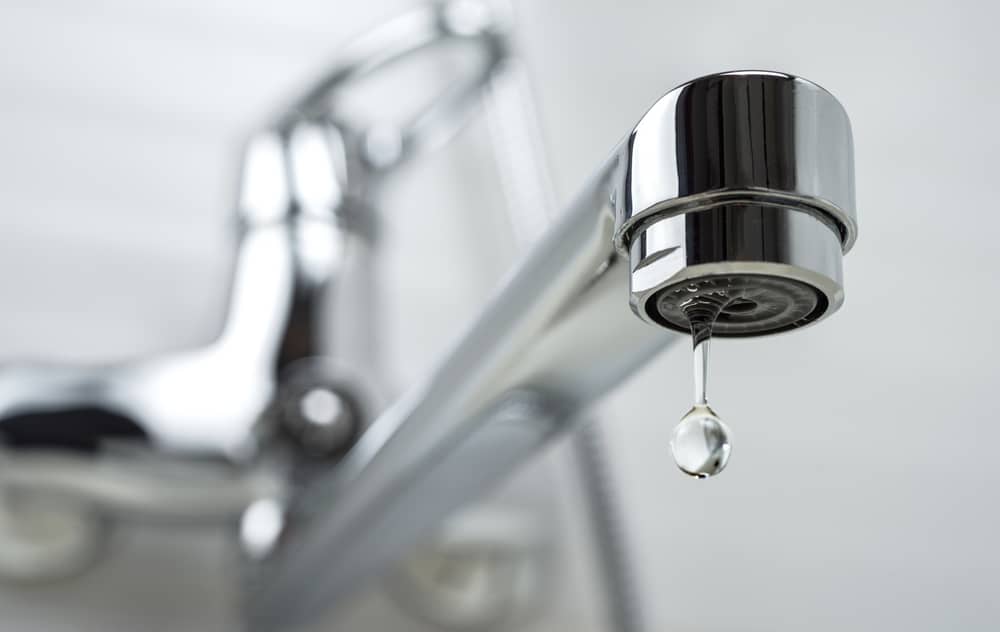
Low tide pressure in your house can be an irritating problem, affecting everything from bathing to washing meals. If you're experiencing weak water flow, there are several feasible reasons and remedies to explore. In this guide, we'll talk about typical factors for low water stress and sensible actions to deal with the issue successfully.
Intro to Low Tide Stress
Low tide pressure occurs when the circulation of water from your taps, showers, and other components is weaker than typical. This can make daily tasks extra challenging and less effective. Recognizing the causes of low tide pressure is important to finding the ideal service.
Usual Causes of Low Tide Stress
Faulty Stress Regulatory Authorities
Pressure regulators are in charge of maintaining consistent water pressure in your house. If they malfunction, it can result in low water stress or unequal flow throughout your home.
Metropolitan Water Issues
Occasionally, the problem lies outside your home. Municipal water issues, such as main line leakages or upkeep work, can momentarily reduce water pressure in your area.
Pipeline Obstructions
Gradually, pipelines can end up being blocked with mineral deposits, sediment, or debris, restricting the flow of water. This is a typical concern in older homes with galvanized steel pipes.
Corrosion
Corrosion within pipes can bring about leakages and reduced water stress. Corrosion buildup can restrict water flow, particularly in maturing plumbing systems.
Just How to Detect Low Water Stress
Evaluating Pipes
Check noticeable pipelines for indications of leaks, corrosion, or blockages. Take notice of any kind of unusual sounds, such as knocking or rattling pipes, which could suggest concerns within the plumbing system.
Consulting with a Plumber
If you're incapable to determine the source of low tide pressure, consider employing an expert plumber to conduct an extensive inspection. They can recognize underlying issues and recommend appropriate remedies.
Examining Taps and Fixtures
Start by evaluating the water pressure at various taps and components throughout your home. If the concern is isolated to specific areas, it might show local issues.
Do It Yourself Solutions to Fix Low Water Pressure
Flushing Water Heater
Sediment accumulation in the hot water heater can limit flow and reduce effectiveness. Flushing the storage tank periodically aids remove debris and keep optimal efficiency.
Examining Pressure Regulatory Authority
Guarantee that the stress regulator is working correctly. Changing or replacing the regulatory authority can help recover correct water stress throughout your home.
Cleansing Aerators and Showerheads
Natural resources can accumulate in aerators and showerheads, lowering water flow. Eliminate and cleanse these elements consistently to boost water stress.
Cleaning Clogs in Pipeline
For small clogs, attempt utilizing a plumbing snake or chemical drainpipe cleaner to clear blockages in pipelines. Beware when utilizing chemicals and follow security guidelines.
When to Call an Expert Plumber
If DIY efforts fall short to solve the issue or if you suspect significant plumbing troubles, it's ideal to seek help from a licensed plumber. They have the knowledge and tools to attend to intricate issues safely and effectively.
Safety Nets to Maintain Water Stress
Mounting a Pressure Booster
Consider setting up a stress booster pump to boost water pressure in locations with continually reduced circulation. This can be specifically advantageous for multi-story homes or buildings with high-demand fixtures.
Monitoring Water Usage
Be mindful of water usage routines and prevent ill-using the plumbing system. Straightforward modifications, such as staggering showers and laundry lots, can aid maintain sufficient water pressure.
Regular Upkeep
Set up routine upkeep for your plumbing system to prevent problems such as rust, leaks, and blockages. Resolving small troubles early can help stay clear of more significant repair work later on.
Verdict
Managing low tide pressure can be discouraging, yet determining the underlying reasons and carrying out appropriate remedies can recover ideal circulation throughout your home. Whether it's cleaning up aerators, checking pipelines, or seeking advice from a plumber, taking aggressive steps can guarantee a stable supply of water for your day-to-day needs.
FOUR WAYS TO FIX LOW WATER PRESSURE NOW
Turning on a shower or faucet only to find the water comes out in a sad, slow drizzle is never a good feeling. How exactly are you supposed to wash a pan or take a quick shower when it takes 10 minutes just to rinse off a little soap? The good news is that when your water pressure is bad, there's always a cause: typically one that can be easily fixed. Here are some of the most common causes of low pressure and what you can do to fix the issue:
DEBRIS AND MINERAL DEPOSIT BUILDUPS
If you notice low water pressure from just one or two of the fixtures in your house, the problem likely has to do with debris buildup. Water is full of minerals and other debris, all of which can accumulate in your pipes and on your fixtures. This can cause a blockage that affects how much water flows through. To fix this, try filling a small plastic bag with white vinegar, and use a rubber band to hang it around your showerhead or faucet. Let the head of the fixture soak for a few hours, and the vinegar should loosen the deposits.
WATER LEAKS
Leaks are another common cause of low water pressure. If water is flowing out of your plumbing through a hole or crack before it can reach your fixture, the pressure coming out of the faucet or showerhead will be lower. A plumbing professional is your best bet for finding and repairing a leak in your water supply pipes.
Leaks are another common cause of low water pressure. If water is flowing out of your plumbing through a hole or crack before it can reach your fixture, the pressure coming out of the faucet or showerhead will be lower. A plumbing professional is your best bet for finding and repairing a leak in your water supply pipes.
A VALVE ISSUE
If you have low water pressure throughout your home, check your main shut-off valve to make sure it's completely open. You may also want to see if there's a pressure-reducing valve installed. If there is, have a plumber help you adjust the settings to get the pressure you're looking for.
OTHERS USING WATER
Believe it or not, your low water pressure could be caused by your neighbors. If you notice low pressure at certain times of day, it may be because you and the people living next to you have similar schedules - when everyone is showering at the same time, the pressure will be lower in every home. Low pressure throughout the neighborhood may also be caused by an issue with your municipal water supply. If that's the case, call the supplier to see if they're working on the issue.
https://www.rotorooter.com/blog/water-leaking/low-water-pressure-fixes/
We were introduced to that write-up on Dealing with Low Water Pressure in Your Home from someone on another blog. Enjoyed reading our article? Please share it. Help others discover it. Thanks a lot for your time spent reading it.
Top Article