We have discovered this post relating to What I learned from trying to deal with a clogged drain down the page on the internet and believe it made good sense to talk about it with you on my blog.
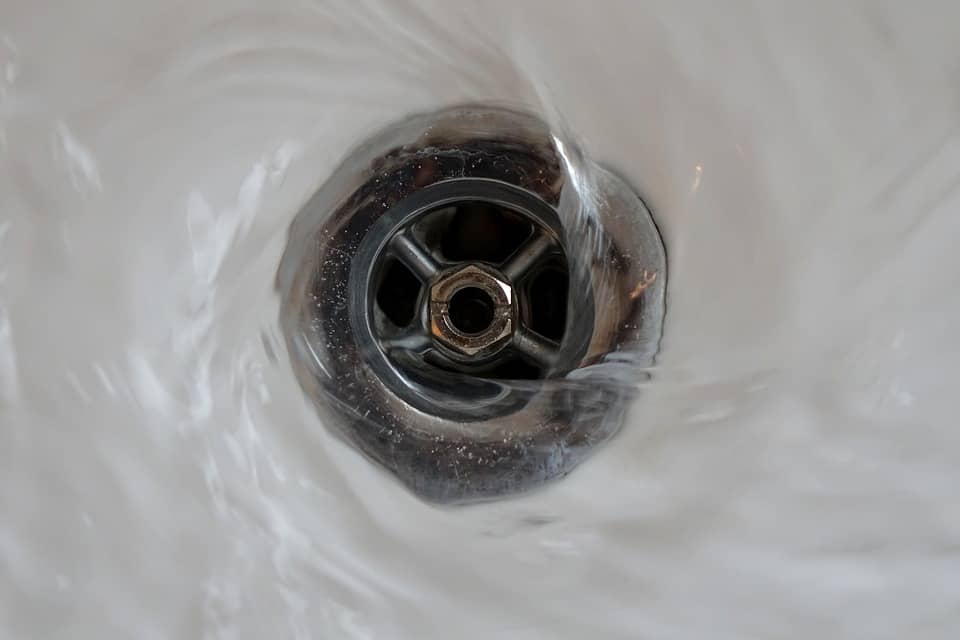
Intro
Dealing with a blocked drain can be a discouraging experience, disrupting daily tasks and possibly triggering damages to your residential or commercial property. Nevertheless, prior to connecting to plumbing experts, there are steps you can require to attend to the issue on your own. In this guide, we'll discover do it yourself services and safety nets to deal with an obstructed drain efficiently.
Recognizing the Concern
The initial step in dealing with a blocked drain is identifying the indicators. Sluggish water drainage, gurgling audios, foul odors rising from drains pipes, or water backing up are common indications of a blocked drain. Recognizing these indications early can aid prevent even more complications.
Choosing the Right Pipes Solution
When choosing a pipes solution, consider variables such as experience, licensing, and consumer testimonials. Choose a trusted plumbing technician with a track record of top quality workmanship and transparent prices practices.
Price Considerations
The expense of expert drain cleaning company can differ depending on the seriousness of the blockage and the plumbing professional's rates. Demand quotes from several service providers and inquire about any kind of service charges to make sure transparency and stay clear of shocks.
Safety Precautions
When trying DIY drainpipe cleansing, focus on safety. Put on protective gloves and eyewear to prevent contact with unsafe chemicals or bacteria. Never blend different drainpipe cleaning products, as this can generate harmful fumes.
Instance Researches
Real-life examples illustrate the performance of do it yourself solutions and the significance of timely expert treatment in resolving drainpipe clogs.
Typical Causes of Obstructed Drainpipes
Recognizing the aspects that add to drain obstructions is necessary for effective resolution. Common perpetrators consist of hair, soap residue, oil, food debris, and foreign items like hygienic products or paper towels. Tree origins invading below ground pipes can likewise trigger significant obstructions.
Do it yourself Solutions
For small blockages, several do it yourself remedies can be reliable. Pouring boiling water down the drainpipe can help dissolve grease and debris. Baking soda and vinegar or a blend of salt and baking soft drink can serve as natural cleansers. Making use of a plunger or plumbing snake to displace blockages is an additional choice.
Tools and Tools
Having the right devices accessible can make DIY drain cleaning up much more effective. A plunger is a functional tool for removing blockages in sinks, toilets, and showers. A plumbing snake or auger can get to deeper blockages, while drainpipe cleansing chemicals can be made use of carefully for persistent obstructions.
Safety nets
To prevent future blockages, adopting safety nets is critical. Set up drain guards or filters to capture hair and debris prior to they get in the pipelines. Regularly flush drains with hot water to liquify oil build-up, and stay clear of taking care of oil or solid waste down the drain.
When to Call a Professional
While do it yourself options can settle minor obstructions, certain signs indicate the requirement for expert support. Relentless clogs, foul odors in spite of cleaning up efforts, or multiple drains backing up concurrently are red flags that warrant professional treatment.
Verdict
By adhering to the ideas laid out in this guide, you can properly deal with obstructed drains pipes and protect against future pipes issues. Whether selecting DIY services or seeking specialist support, timely action is essential to keeping a healthy and balanced plumbing system and maintaining the stability of your home.
How to Clear a Clogged Drain Yourself (And When to Call In the Professionals)
What Can Clog a Drain
Dirt Skin flakes Hair Grease Soap scum Food Offset pipes Tree roots Small objects Mineral buildup DIY Tricks to Unclog a Drain
You can fix this! Once you have identified the source of the clog (or have a vague idea), you can try one or a combination of these fixes in order to clear your plumbing.
Wire Hanger or Snake
Untangle and clear out hair from a drainpipe with a homemade snake. Use a straightened-out wire hanger with a 90-degree angle hook to locate the clog and drag out any unwanted material.
Remember not to push the clog further down to where the wire hanger cannot reach! If you need to follow up with a plunger, give it a try. Your efforts might be more successful after it’s been wire-snaked.
If you want to get fancy and don’t have a wire hanger to spare, head to the store and pick up a hand-operated drain snake. You can get one for $10-$30. It may save you the hassle, and provide additional length to reach deep into the clogged pipe.
Plunger
A cup plunger has a suction cup attached to a wooden handle. The rubber creates a seal around the drain, and increases the pressure force of the plunger.
Plunge for 30-second increments to loosen the clog. This may need to be repeated over the course of 15-20 minutes. Once plunged, run the water to flush the remaining material out of the drain.
Remember– never use a plunger if you have used a chemical drain cleaner. These chemicals can splash up from the force of the plunger and cause serious injury or burns.
Boiling Water
Hot water can sometimes break up materials into a flushable amount. Dirt, grease, and soap buildup requires heat in order to unstick from surfaces.
Take your kitchen kettle and heat your water to a boil. Once it reaches a rolling boil, pour it directly down the drain into the blockage. Carefully follow with plunging, if necessary.
Don’t worry if this takes more than one try! It can often take multiple kettles and repeated plunging in order to clear a particularly stubborn clog.
Chemical Drain Cleaner
As a last resort, pick up a bottle of chemical drain cleaner. Drain-cleaning chemicals are potent, and not very good for the environment.
You may need to wear protective eyewear in gloves before handling your bottle of chemical drain cleaner. Follow the instructions printed on the bottle, and flush with water as soon as the instructions allow. Do not follow with plunging.
Baking Soda and Vinegar
As a safer alternative to chemical drain cleaner, baking soda and vinegar can create a chemical reaction that clears tough clogs.
Combine one cup of cleaning vinegar with one cup of boiling water, and set aside. Once you have done this, pour half a cup of baking soda down the drain. Give the baking thirty seconds to settle and cover a large portion of the problem drain.
Following the baking soda, pour down your vinegar and hot water solution. Once the vinegar and baking soda combine, the mixture will bubble and fix. Let this reaction fizzle in the drain for about an hour.
After an hour, follow with a kettle’s worth of hot water. The heat and liquid should flush out any remaining material.
When to Call a Plumber
If your DIY attempts haven’t cleared your clog drain, it’s time to call in a professional. It’s not worth losing access to your kitchen sink or high-traffic bathroom. A clog in a vital area can keep you from the things you’d rather be doing, and derail your routine.
Anytime a clog is causing water to spread is a time to call in a plumbing service. What starts out as a little bit of water can quickly grow into serious, expensive water damage.
Additionally, a serious clog can result in burst pipes or serious leaks. Make sure you know when to take it seriously!
https://myguysnow.com/how-to-clear-a-clogged-drain-yourself-and-when-to-call-in-the-professionals/
Do you like reading up on How to handle a clogged drain in your home? Try to leave a comment directly below. We'd be delighted to know your reactions about this blog. In hopes to see you back again in the near future. Sharing is caring. You never know, you may be helping someone out. Thanks a lot for your time invested reading it.
Visit Our Website